

Greenpeace Slams Forestry Rollback As Reckless

Greenpeace says the Government’s forestry rollback is a direct betrayal of cyclone-hit communities still rebuilding after Cyclone Gabrielle, warning weaker rules on forestry slash, erosion and wetland protections will leave ratepayers carrying the cost of environmental destruction.
Despite most submitters opposing the Coalition Government’s proposed changes to commercial forestry rules, the Coalition has confirmed yesterday that they will be stripping Gisborne Council — and all Councils — of their ability to set stronger local rules on where pine and other forestry can be planted.
The Government will also be restricting Councils’ broad discretion to set tougher controls on forestry slash and erosion, allowing them to do so only for the most extreme erosion risks.
Greenpeace campaigner Gen Toop says the proposals are a “slap in the face” for communities whose homes, livelihoods and waterways have been devastated by forestry slash and erosion.
Why are cyclone-hit regions furious over the forestry changes?
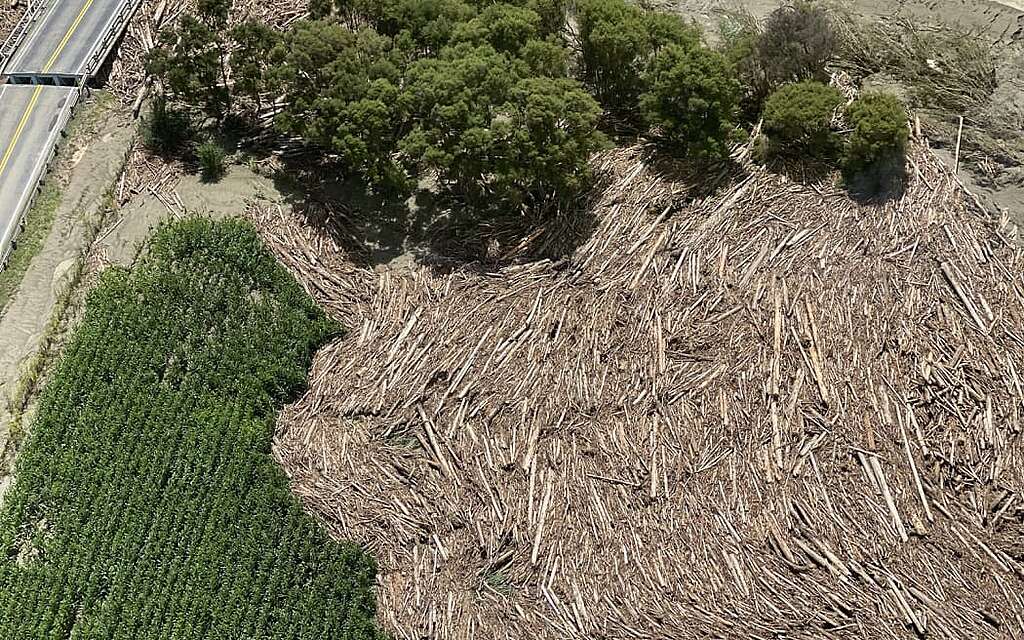
“It is reckless and dangerous to weaken forestry rules when communities in Tairāwhiti and Hawke’s Bay are still picking up the pieces from slash and erosion tearing through homes, rivers and infrastructure.”
Cyclone Gabrielle is estimated to have cost the country $14.5 billion in clean-up costs, and had devastating effects on freshwater and marine ecosystems.
“These changes serve the profits of primarily offshore forestry companies at the expense of our communities who foot the bill to clean up the damage to their land, waterways and coastlines,” says Toop.
The Coalition Government is also proposing further changes through the RMA reforms that could force councils to compensate forestry companies if they try to bring in stronger local rules, in a scheme it’s calling “regulatory relief”.
Why would councils have to compensate forestry companies?
“Devastating and expensive cyclones are becoming more intense and frequent. Making it harder for councils to prevent forestry slash and erosion right now is a major leap backwards that New Zealand simply cannot afford,” says Toop.
“The Government must back down on these forestry changes and abandon its corporate compensation plans in the new RMA. Councils should never be forced to give public payouts to corporations for local environmental protections.”
As part of the changes announced last night, the Government is also repealing fencing regulations so that beef cattle and deer can now access and graze in wetlands that support threatened species. Again, most submitters were opposed to the changes.
“What country in 2026 decides to get rid of fencing rules and let cattle trample their last remaining wetlands and the rare species that depend on them? It’s environmental vandalism.”
There are less than 10% of wetlands remaining in Aotearoa. If Councils want to protect local wetlands by retaining the fencing rules they would likely be forced to hand over ratepayer money to affected farming companies under the proposed “regulatory relief” scheme.
“This is real bottom of the barrel stuff from the Coalition Government. Fencing livestock out of wetlands is literally the bare minimum,” says Toop.
“Rolling back these fencing and forestry protections puts fragile ecosystems and species at risk and it’s yet another nail in the coffin for the clean green image that New Zealand trades on.”




National supported and advocated for more localism with water and decision making they need to be called out for their lies and more broken promises in fact they conned people. Now National are bullying councils so much for localism.