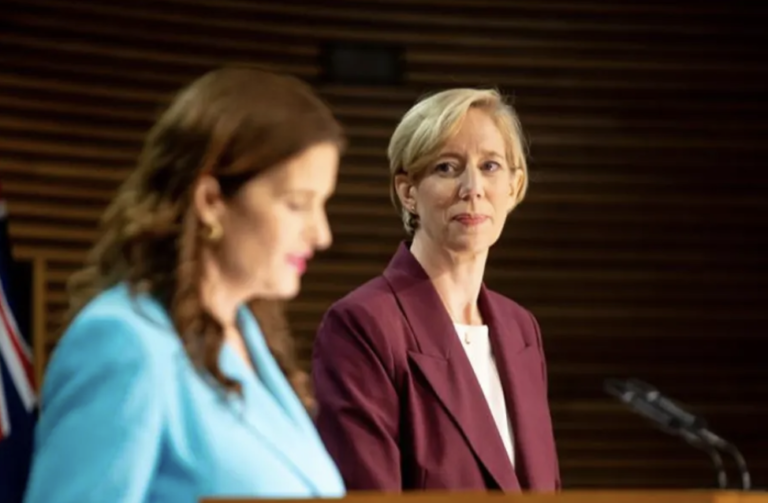
The new language of disaster that the Government are quietly slipping into their new climate change narrative

The Government’s climate change narrative is shifting in plain sight. During the latest storms, Ministers weren’t talking about solidarity, public support or collective response — they were praising “resilience” and “preparedness” in ways that sounded less like reassurance and more like a warning: you’re on your own.
Over the last week of storms, I’ve noticed a very different kind of messaging coming through.
I’ve heard every Government Minister fronting on the storm thanking Kiwis for being prepared and resilient without needing any Government aid.
There wasn’t praise for working together, or any mention of community. It was resilient Kiwis being thanked for self-sufficiency, like user pays climate change where worth is measured by whoever won’t cost the Government anything in civil defence support.
This narrative shift is a move by the political Right to create cultural acceptance that we can’t rely on the State for help during climate change events — events their policies are helping worsen.
It’s a move away from community and the collective, and towards cost-cutting dressed up as self-sufficiency.
What’s being normalised here matters. Because once disaster response is reframed as a test of personal resilience rather than a collective obligation, the State gets to step back while pretending it’s empowering people.
That’s the trick in this new climate change narrative. Responsibility is pushed downwards onto households and communities, while accountability is pushed upwards and out of reach.