
Māori Climate Commissioner call for culture of climate denial to be challenged
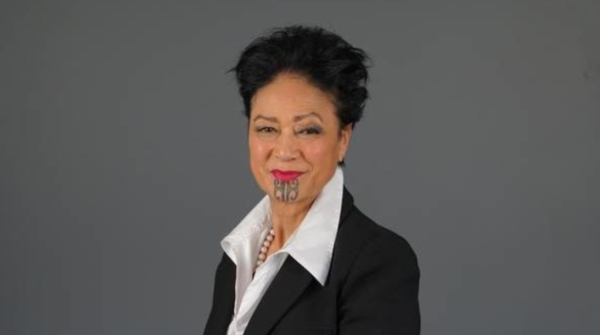
The Māori Climate Commissioner, Donna Awatere Huata has called on New Zealanders to challenge the culture of climate denial.
“According to a 2015 study from the University of Tasmania, New Zealand has one of the highest levels of climate denial in the Western World with 13% of us not believing climate change is made by human pollution. Out of 14 Western developed countries, we came third behind Australia and Norway.”
“Climate Change is no longer a scientific question, it has become a cultural one with those who benefit most from the current power dynamics refusing to accept or acknowledge the science.”
“Muddying the science and injecting confusion are the same tactics the Tobacco industry used for decades and it is essential if we are to progress with the haste we need to adapt to the extremes of climate change to challenge climate deniers instead of let them spread disinformation.”
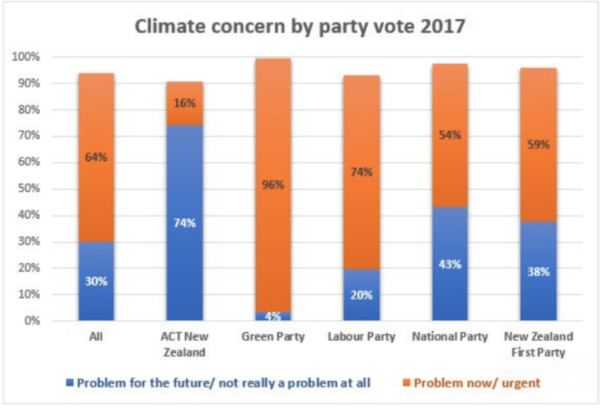
“If we look at a Party break down from 2017, we see that it is National Party voters who are the greatest total number of voters who don’t see climate change as a problem, we need to all work together to challenge lazy claims and ill thought out denial”.
“The time for denial is over, the time for action is now and we must not allow deniers to hold back progress.”
Donna Awatere Huata
Māori Climate Commissioner


….. the dogs are barking denial, but the caravan goes on…..
This blog contains a very interesting bar chart showing the climate change concerns across party voters.
It clearly indicates that there is substantial political space for formation of a NZ Climate Resilience Alliance, to be founded beyond party affiliations, operating with extra-parliamentary means through local members and groups from all strata of life.
It should go hand-in-hand with
– the establishment of a ‘NZ Climate Resilience Trust Fund’ for pooling of resources to support local and rural initiatives for climate adaptation and resilience,
– climate awareness and action programmes evolving through Community Radio Stations and Mobile IT media,
– local early warning systems and risk reduction measures,
– implementation of a ‘Rural Kiwi Development Strategy’ with focus on diversified agriculture, fisheries, forestry, small and medium enterprises with low emission standards, vocational training in appropriate and adaptive technologies, conservation and sustainable management of local natural resources (water, soil, flora, fauna, land, land- and seascapes).
cobblers and more cobblers, climate denial lol ,you lot are the denial experts, but no worrys soon it will bite you on the arse, tell me what you are doing to combat the 30 percent decrease in the worlds food supply this year?
Oh thats right denying that it exists, maybe we could line the southern costs with politicians, the joint hot air they expel may keep the ice at bay or better still build them a new parliament building down on the Auckland islands and conveniently forget to make a airport.
What we really need is an Icelandic style peaceful revolution, they locked up the banksters and crooked poli,s in the coldest hellhole they could find and forgot about them.
Makes sense to me!
Unfortunately, it’s not just about climate change denial. It’s about an economy that has been set up to promote and reward consumption, and all the government systems that promote and reward consumption.
Even 100% agreement amongst the populace that planetary meltdown is underway won’t help when the government is promoting meltdown…which it still is.