
What’s behind the US-Israeli war against Iran and New Zealand’s lapdog response

What’s really driving the US-Israel war against Iran — and why is New Zealand’s response raising eyebrows? Ian Powell breaks down the history, power dynamics and political contradictions behind the conflict.
When Ayatollah Ali Hosseini Khamenei, Iran’s Supreme Leader, was assassinated in the opening stages of the US-Israeli war against Iran, I did not mourn.
Khamenei was not someone who deserved to be mourned notwithstanding my contempt for the increasing use of assassination by aggressor nations; in this case the United States and Israel.
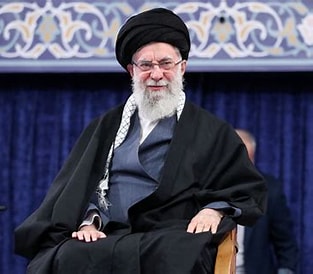
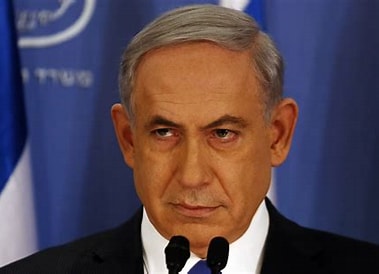
Having said this, had either Donald Trump or Benjamin Netanyahu been assassinated I would have ‘not mourned’ them even more.
On the other hand, along with thousands of residents in the Iranian city of Minab a mass funeral, I did privately mourn for the at least 165 schoolgirls and staff killed in the opening hours of the US-Israeli strikes when one of their missiles hit a girls’ elementary school.
Repression vs Genocide: How Iran Differs From The US And Israel
Understanding what distinguishes Iran from both the United States and Israel begins with two uncomplimentary words – repression and genocide.
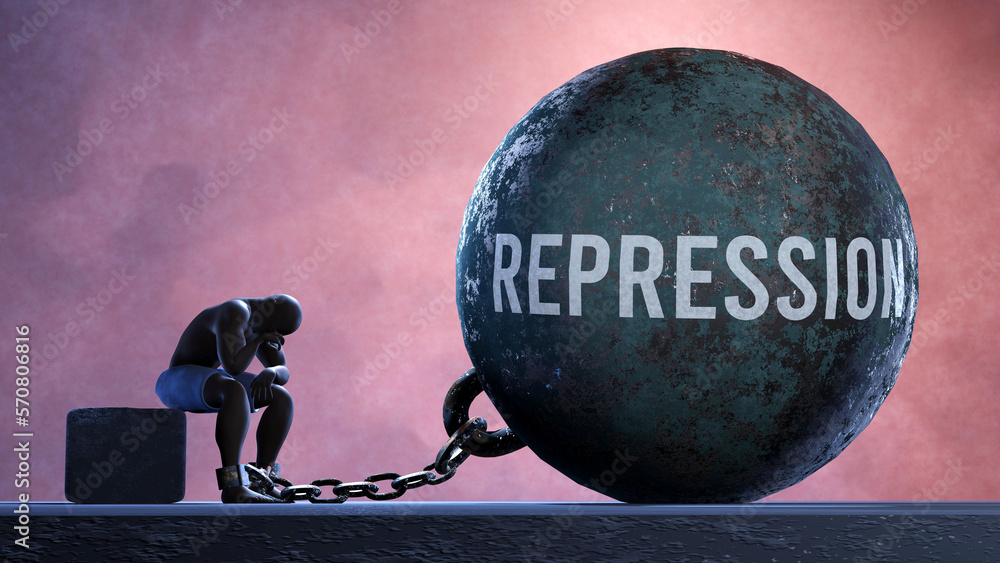
Repression is the action of subduing someone or something by force. This can include suppressing thoughts or desires in people so that they remain unconscious. Iran’s theocratic political system is unquestionably repressive.
If, in some way, you question the regime or the governing values enough there is a high risk of repression. Keep your head down and you are likely to be safe. If not then you are likely to be in danger.
In contrast genocide is the deliberate and systematic killing or persecution of a large number of people from a particular national or ethnic group with the aim of destroying that nation or group.
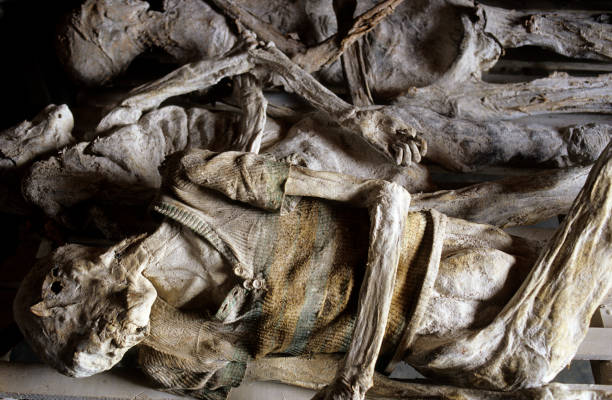
Genocide a characteristic of Israel and United States government policies
Israel’s policy of the ethnic cleansing of Palestinians from their homeland now incorporates genocide as the main means of achieving this objective, particularly in Gaza which is there for all to observe.
While Israel is the practitioner of genocide in Gaza, the United States is the enabler and main funder. This is in terms of both funding weapons supplies and political support for Israel’s brutal military occupation of this small remaining piece of Palestinian land.
Without this US support there would be no genocide in Gaza; like the West Bank just ongoing repression.
While it is right to condemn repressive actions by the Iranian government, it is mindbogglingly immoral for these genocide supporting governments to make any judgment call on Iran, let alone declare war on the country.
Understanding Iran’s Political System And History
As discussed above the Islamic Republic is a repressive government towards those who are oppositional in some public way. But repression is not its only characteristic.
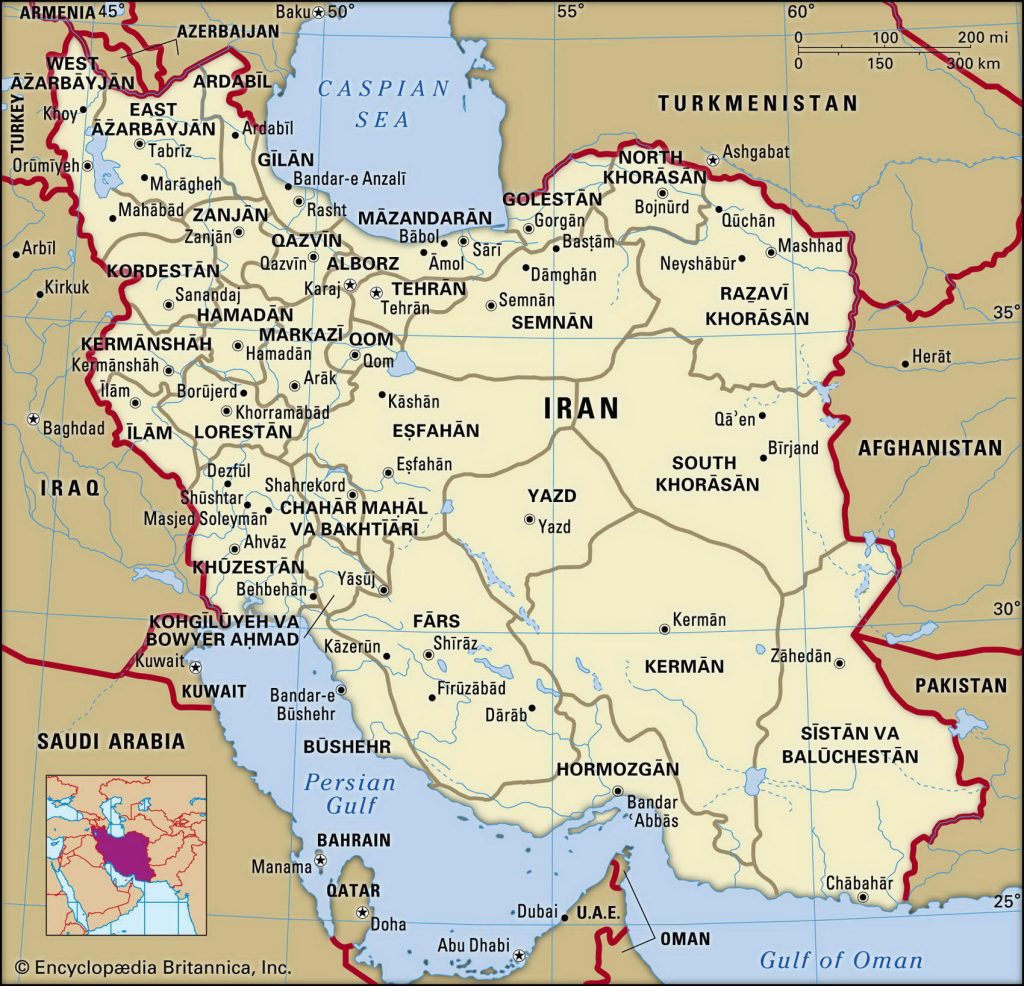
Iran is a highly diverse nation. While 61% of its population are Persian, there are over 20 ethnic groups in total. Major minority groups include Azeris (16-24%), Kurds (7-10%), Lurs (2-6%), Baloch (2%), Arabs (1-3%) and Turkmens (2%).
As many as 99% of Iranians in the Republic are Muslim, predominantly Shia (90-95%) with the remainder comprising the Sunni minority.
While the Islamic Republic state is dominated by Shia Islam, there are recognised minority religions which are granted reserved parliamentary seats. These include Christianity, Judaism, and Zoroastrianism.
An exception is the Baháʼí faith, a world religion was founded in the 19th century mainly in Iran. It may be the second largest non-Muslim religion in the country.
Many Iranian Baháʼí have a previous Muslim background and are subjected to persecution. However, this is an inherited persecution that goes back to the mid-19th century.
Iran is not repressive towards minority ethnic groups because of their ethnicity. Azeris, for example, are not repressed because they are Azeris; only if they ‘put their heads above the barricades’ so to speak.
The same can be said for Sunni Muslims and non-Muslim religions, except for Baháʼí whose repression is historical predating the Islamic Republic by over a century.
But if the Republic is only seen as despotic, then an entire historical legacy explaining so much more than this is lost.
Iran is home to one of the world’s oldest continuous major civilizations, with historical and urban settlements dating back to the 5th century BC.
In spite of invasions by foreign powers, such as the Greeks, Arabs, Turks, and Mongols, the Iranian national identity was repeatedly asserted and preserved despite several changes in its dynastic empires.
How US Intervention Shaped Modern Iran
In 1925 Reza Khan established the Pahlavi (and last) dynasty. Following a military coup he became the new dynasty’s first Shah. In 1941, however, he was overthrown with his son Mohammad-Reza becoming the second and last Pahlavi Shah.
Initially there were hopes of a constitutional monarchy. However, in 1951. Prime Minister Mohammed Mosaddeq got sufficient parliamentary support to nationalise the British-owned oil industry.
In response Mosaddeq was briefly removed from power in 1952. But, due to a popular uprising in support of him, he was quickly but reluctantly reappointed by the Shah. This enabled Mosaddeq to briefly exile the Shah in 1953 after surviving a subsequent failed military coup.
However, in August 1953, Mosaddeq was deposed by a successful US-supported military coup that was also actively supported by Britain.
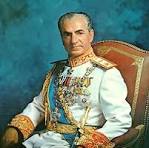
The Shah then returned to power ruling Iran as a brutal autocracy with strong US support until the 1979 and the Shah’s final overthrow.
Oil was central to the Shah’s policies. His government entered into agreement with an international consortium of foreign companies which ran the Iranian oil facilities for the next 25 years, splitting profits fifty-fifty with Iran. However, Iran was not allowed to audit the companies’ accounts or have members on their board of directors.
The Iran that the Islamic Republic inherited in 1979, on the one hand, had never been colonised; unlike much of Africa and Asia, for example. It had a proud national identity. On the other hand, under the Pahlavi dynasty, particularly in its last 25 years. it had become subservient to the United States and the oil companies.
The Shah’s autocratic regime was overthrown by a powerful mass popular movement. Among the forefront of this unstoppable movement were those that came to lead the new Islamic Republic.
The Republic was the consequence of this popular will. While today there is strong internal Iranian opposition to the leadership of the Republic, there is also strong internal support for it
In 1979 Iran’s political system had changed from an autocracy to a theocracy. But there was more to it than this.
The hated legacy, under the last Shah, of the interests of Iranians being subservient to that of US imperialism, was powerful. In no small part this shaped the Islamic Republic’s politics. It was reinforced by US support for Iraq’s protected war against Iran in the 1980s.
Further, whereas the Shah held openly expressed racist views on Arabs, the Republic saw it differently.
In particular, it intuitively supported Palestinian self-determination which put it at odds with Zionist Israel.
Iran also empathised with countries with quite different political systems, such as secular Cuba, that had been subjected to continuing US hostility and shared Iran’s antipathy towards US imperialism and supported for Palestine..
While your enemy’s enemy may not be your friend, nevertheless there may be principled shared interests.
US Imperialism And Its Role In The Conflict
Imperialism put simply is a policy of extending a powerful country’s economic power, exploitation of, and influence over other countries. Historically this has been through colonisation, invariably by the use of military force.
Historically the biggest imperialist power was the British Empire which, by the early 20th century, included much of Africa and Asia (and beyond).
The United States began as an imperialist power in the early 20th century, particularly in Central America, the Caribbean, and the Philippines. Since World War II it has become, by far, the biggest imperial power reinforced by the most powerful military.
Put simply, capitalism is an economic system relentlessly driven by the maximisation of wealth accumulation. Imperialism is the highest and most extensive form of capitalism.
In this context, particularly since 1953, Iran under the Pahlavi dynasty was a complicit pawn willingly exploited by US imperialism.
This ended in 1979 by the popular will that led to the establishment of the Islamic Republic; something US imperialism has never forgiven and the Republic has never forgotten.
In other words, the US-Islamic Republic relationship is a recipe for continuous conflict and has reached its highest point with the current US-Israel initiated war.
The Real Reasons Behind The US-Israel War On Iran
The failure of the United States (and Israel) to acknowledge the above discussed escalating conflict to the point of outright war between them and the Islamic Republic has led to their muddled and changing false justifications for the war.
The truth of the matter is that the war centres on the Republic’s firm opposition to US imperialism and support for Palestinian self-determination. The use of deceitful justifications is a public relations attempt to fudge this truth.

One false argument is that Iran was close to developing nuclear weapons. However, in the short war last June, the US and Israel boasted that they destroyed Iran’s nuclear weapons capability.
What is the lie – what they said then or what they now say? More likely it is both. After all Israel is the only country possessing nuclear weapons in the Middle East. Further, unlike Iran, it isn’t a signatory to the Nuclear Non-Proliferation Treaty.
In fact, there is only one nuclear power in Middle East; Israel. But while Israel is ignored, Iran hypocritically is the focus of deceitful accusations and intense pressure; now war.
Another false justification is that the US, in particular, wants to save Iranian lives by ending the repression. It is barely worth the time rejecting this claim from supporters and practitioners of genocide.
Further their bombing has already killed over 1,300 Iranians (a reported 30% are children) and rising. More than 17,000 have been injured including over 1,000 children. Hypocrisy at its peak!
A related occasional justification is restoring democracy. But the Islamic Republic is more democratic than the outright autocracy it replaced and no less democratic than the ruthless US ally Saudi Arabia; admittedly they are both low thresholds.
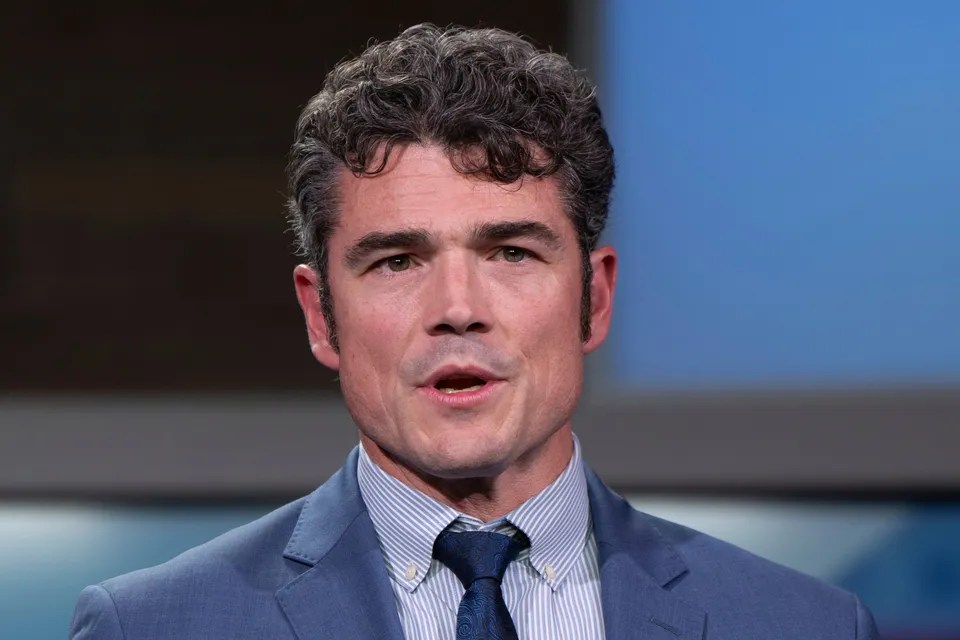
Perhaps the most damming indictment of the claimed justifications is the recent resignation of Donald Trump’s Director of the National Counterterrorism Centre, Joe Kent.
Explaining this dramatic decision Kent referred to his concerns about the justification for military strikes in Iran. These included that, despite Trump’s claims, there was no imminent threat from Iran and that the US was “manipulated” by Israel.
Consequently Kent advised that he “cannot in good conscience” back the Trump administration’s war against Iran. Both optimistically and bravely he urged the President to end it.
In fact, Trump’s disingenuousness and underestimation of the strength of Iranian resistance and fightback have made a ceasefire improbable for some time.
Iran already agreed to a ceasefire in June. But the US and Israel broke it even though diplomacy discussions were underway.
Why would Iran agree to another ceasefire just to give the US and Israel enough time to regroup and start another war against a combative but weakened Iran.
Iran now believes that the US and Israel can’t be trusted and it would be better to try to further weaken them instead. After all, what does Iran have to lose!
Words like reaping and sowing come to mind!
Is New Zealand Losing Its Independent Foreign Policy?
Since the mid-1980’s successful New Zealand governments have had an independent foreign policy.
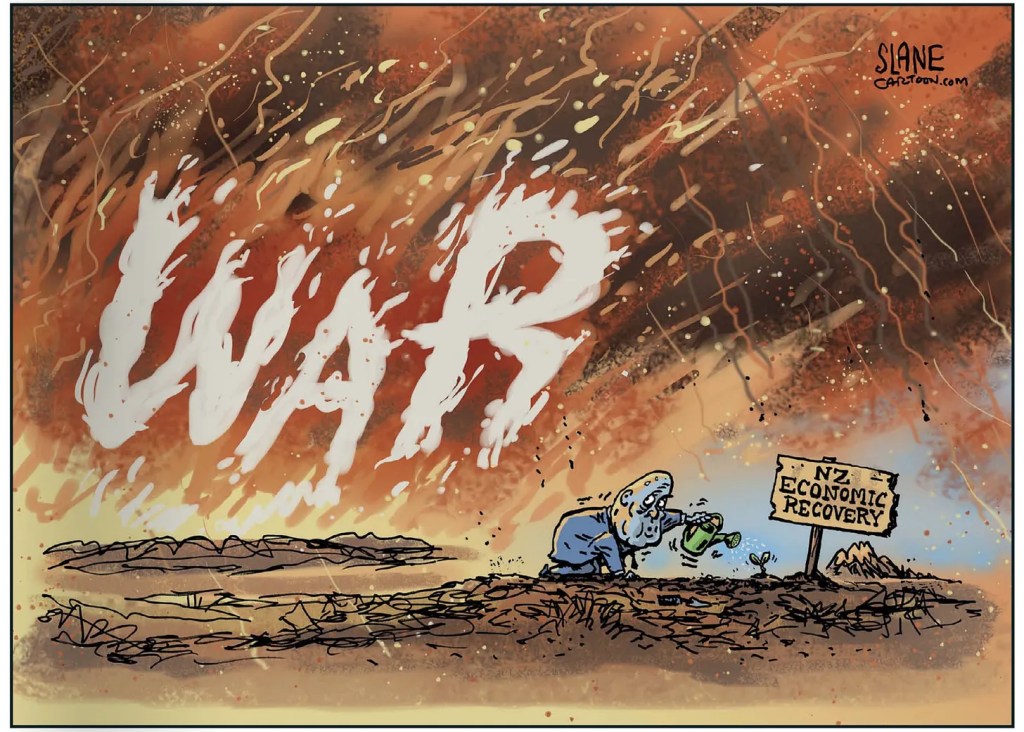
However, especially under the current government, we have drifted back towards being aligned with our former position of being a United States lapdog.
This observable drift was further escalated by the Government’s response through Prime Minister Christopher Luxon (in an embarrassingly mashed way) and Foreign Minister Winston Peters.
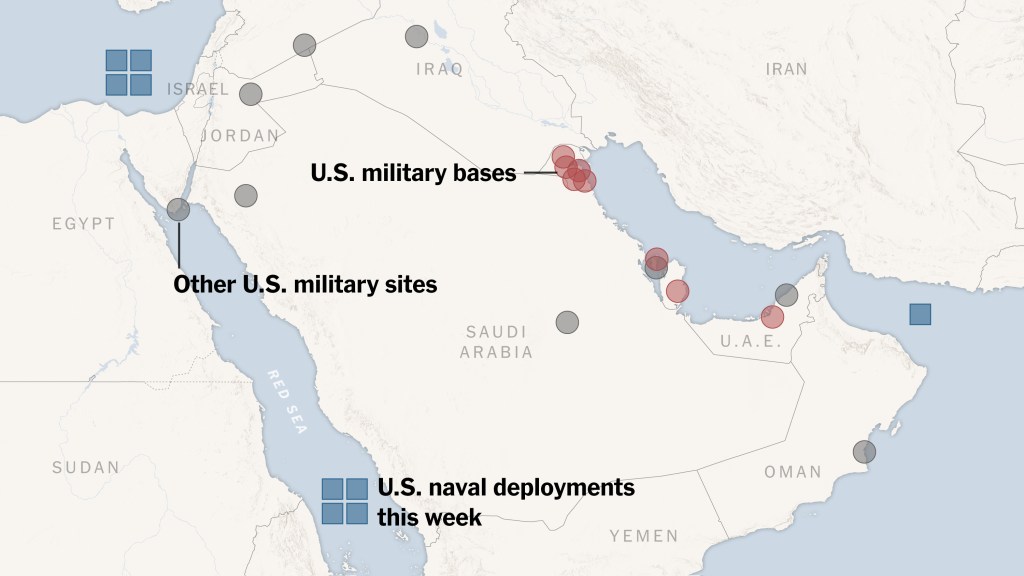
In summary, while maintaining a loud silence on the US-Israeli bombing of Iran, they condemned Iran’s own bombing response in those neighbouring Arab countries with US military bases.
These US bases would be akin to Iran having its own military bases in Canada and/or Mexico (perhaps Cuba; just saying!).
There has been considered media coverage of the Government’s response to the war beginning with Bryce Edwards’ Democracy Briefing (1 March): How should NZ respond to the US bombing Iran.

Edwards was followed by two Sam Sachdeva Newsroom articles (2 and 3 March): Trump poses headache for NZ and Luxon’s fumbling, floundering response.
To complete this considered coverage was international relations expert Professor Robert Patman, also in Newsroom (3 March): Risky Iran attack gamble.
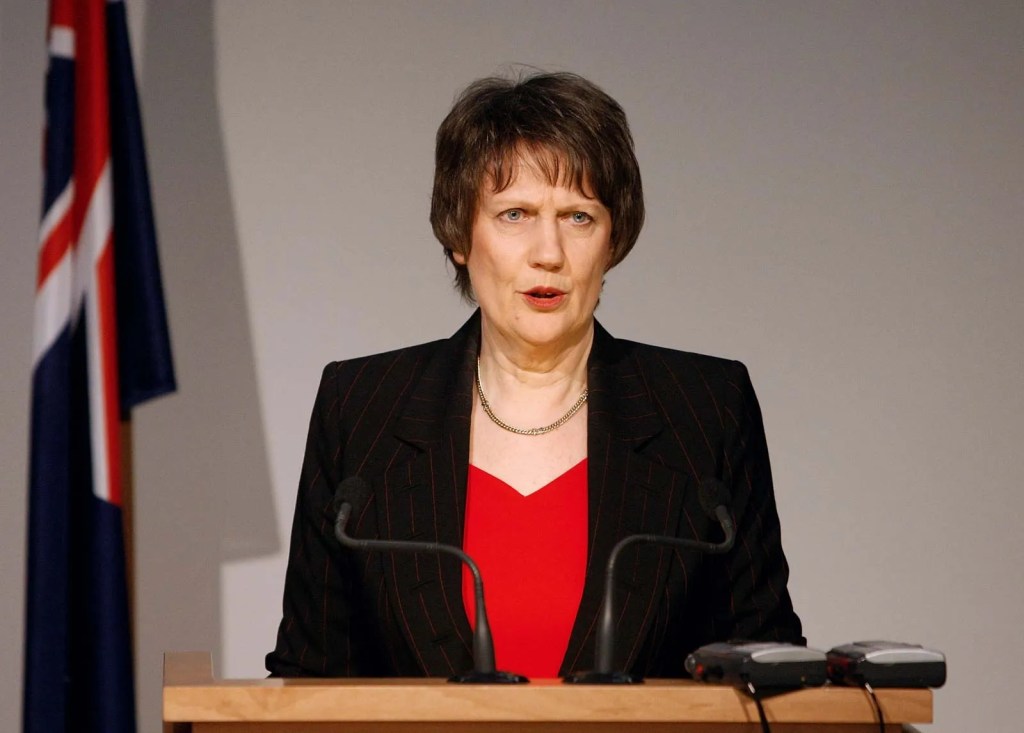
However, it took former Prime Minister Helen Clark to demonstrate the type of political leadership we deserved to have (having herself demonstrated this over the disastrous US-led war in Iraq nearly two decades ago).
Her uncompromising criticism of the Government’s response included calling it a “disgrace” (1 March): Government response a disgrace.
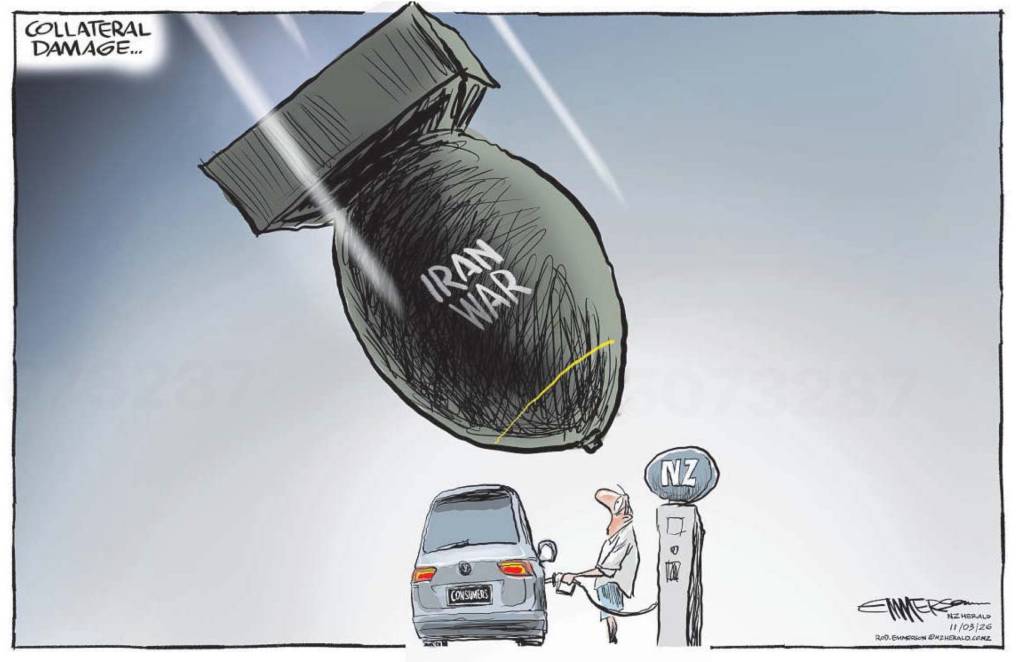
While Clark didn’t use the term ‘lapdog’ to describe the Government’s position, if she had she would have been right.
The Iranian Perspective: Between Repression And War
The insights of Iranians critical of the Islamic Republic’s repressive nature but even more critical of the US-Israel bombing of Iran are invaluable.
Below is an extract from a Facebook post (2 March) from an Iranian man’s YouTube channel. Consistent with the theme of my comments above, this Iranian expresses the paradox Iranians involuntarily now find themselves in; caught between an internal repressive regime and external narcissistic warmongers.

In his words:
As an Iranian, I can tell you the situation is no longer just political — it’s existential. We are trapped between two collapsing structures: one internal, one external. On one hand, we face a deeply dysfunctional government, led by the Supreme Leader and the Islamic Republic’s unelected institutions.
Decades of economic mismanagement, suppression of dissent, and brutal ideological control have alienated multiple generations. No one believes in reform anymore — because every attempt has either been co-opted or crushed. But here’s the paradox: We are also terrified of regime collapse — because we’ve watched the aftermath of Western intervention in countries like Iraq, Libya, Syria, and Afghanistan. Each was promised freedom; each descended into chaos, civil war, or foreign occupation.
So no, we don’t trust the U.S. or Israel. Not because we support our regime — but because we know how imperial powers treat ‘liberated’ nations in the Middle East.
Freedom, in their language, often means vacuum, fire, and permanent instability. Right now, many Iranians live with three truths at once: The Islamic Republic is morally and politically bankrupt. The alternatives offered by foreign actors are not liberation—they’re collapse.
A bad government is survivable. No government is not. We are not silent because we agree. We are cautious because we’ve learned — too well — what happens when superpowers decide to “help.” In a sentence: Iran is a nation held hostage by its own regime, but haunted by the fate of its neighbours. We are stuck in a house we hate, surrounded by fires we fear more.
The Human Cost Of War And The Limits Of “Liberation”
Sahar Delijani is an Iranian American author most known for her internationally acclaimed debut novel, Children of the Jacaranda Tree. It has been translated into 32 languages and published in more than 75 countries.

In her own courageous and insightful words:
I was born in an Iranian prison. My parents were held in their jails. My uncles lie in their mass graves.
Nothing you can tell be about the crimes of the Iranian regime that I haven’t lived in blood and bone.
That does not mean that I want my people bombed, maimed, killed, their homes in ruins.
If your vision of liberation only through the destruction of innocent lives, then it’s not freedom you’re after.
These words are more than eloquence; more than heart rendering. They convert complexity into simplicity; they are powerful; they speak truth to power.
They deserve to be the last word in this blog post.
If New Zealand is to maintain any credibility as an independent voice on the global stage, it must move beyond carefully worded ambiguity and confront the reality of this conflict. Silence, or selective condemnation, is not neutrality — it is alignment.
Ian Powell was Executive Director of the Association of Salaried Medical Specialists, the professional union representing senior doctors and dentists in New Zealand, for over 30 years, until December 2019. He is now a health systems, labour market, and political commentator living in the small river estuary community of Otaihanga (the place by the tide). First published at Political Bytes




The death of children because of awful men fighting is unbearable. These last few years of horror started with precisely that when Iran backed Hamas killed children and teens on October 7, 2023. That was deliberate but it is no less tragic when school children in Tehran or Beirut are accidentally killed in an airstrike or when druze children are killed by Iran backed Hezbollah rocket fire in Northern Israel.
An interesting and poignant read.