The Heal the Nation Hikoi failure and the impact of Right Wing Māori Social Media Influencers this election
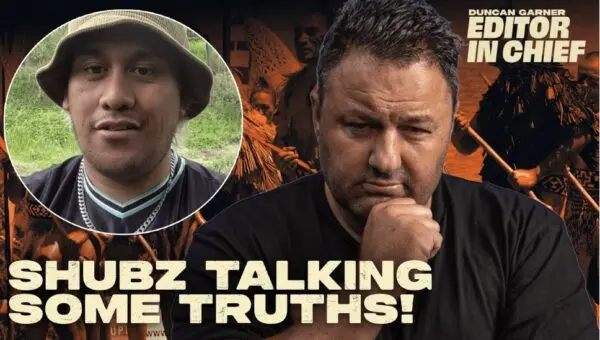
Really insightful piece over at Waatea over the rise of Right Wing Māori Social Media Influencers…
From Feeds to Whānau: The Rise of Online Content Creators and Why So Many Are Listening
It started, as many things do now, on a phone screen.
Short videos. Emotional kōrero. A message about healing. A promise of unity. A call to action.
For months, the online narrative appeared harmless – even hopeful. Two influencers spoke about trauma, accountability, truth-telling and “healing the nation.” Their content gathered momentum. The algorithm did its work. Followers shared, commented, amplified.
Then the tone shifted.
Allegations began to surface against other Māori leaders. Words like “receipts” were used as a demand for proof – yet little evidence was publicly provided. The language became sharper. The claims broader. The distrust deeper.
Still, thousands continued to watch.
Eventually, the online narrative stepped into the physical world. A hikoi from Wellington to Waitangi was announced. The expectation, at least online, was momentum.
At Parliament, fewer than forty people gathered.
By comparison, the Toitū Te Tiriti mobilisation had drawn tens of thousands.
As the hikoi travelled north, numbers dwindled further. A fundraising target of $100,000 reached just over $5,000. Allegations emerged at Rātana Pā of a firearm being brandished – later found not to be accurate. Claims escalated, including assertions that a major political party had placed a hit on an organiser’s life.
By the end, the hikoi had descended into confrontation. Support fractured. Questions mounted. Allegations of impropriety surfaced.
But the real story is not the collapse. The real story is how it began.
Waatea
The most excruciating and cringe event right now has been the utter failure of Heal The Nation Hikoi.
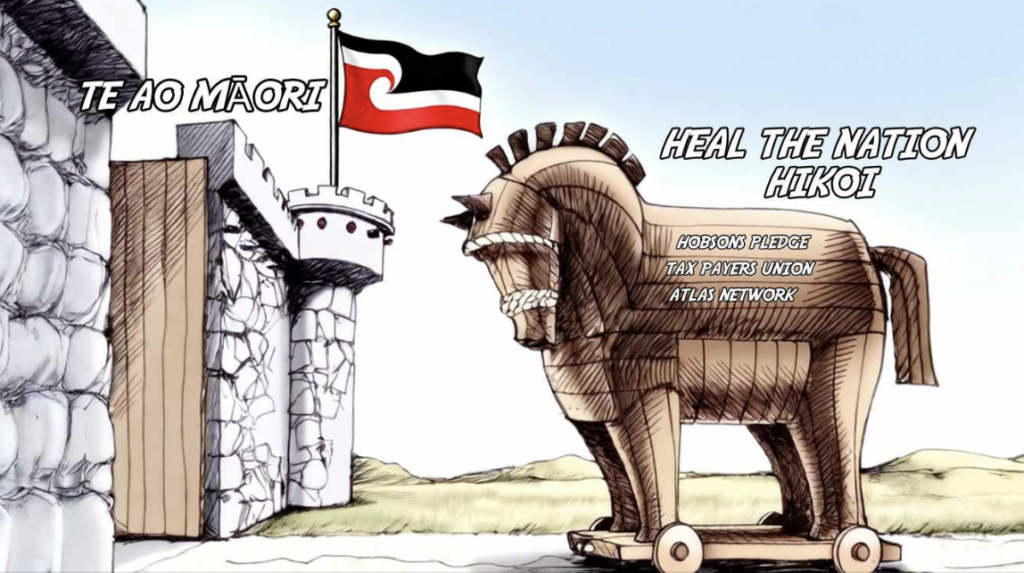
It was a protest event launched by Right Wing Māori Social Media Influencers and the high level of traffic on their social media gave the impression that they had tapped into a deep cultural rift the way MAGA did with Black American and Hispanic males.
Despite all the hype online, the event could barely manage to attract 50 people at the opening…
A hīkoi known as “Heal the Nation” had also outlined plans for a symbolic walk across the Auckland Harbour Bridge around the same time as Tamaki’s proposed protest. Waatea believes less than 50 people attended the Hikoi at Parliament with one Maori Warden saying it appeared “chaotic” with numbers dwindling to “25” shortly after
…there were more Police and Māori wardens at the protest than actual protestors.
These Right Wing Māori Social Media Influencers are empowered by Hobson’s pledge, NZ First and the Alt-Right because they are brown people saying the things white reactionaries love.
MAGA in the election targeted Right Wing African-American and Hispanic Social Influencers as an important vanguard to Trump’s massive win and we are seeing the same dynamics here.
The ‘Maori Elites’ talking points generate a lot of social media hate algorithms, but it doesn’t influence real life.
The painful and hilarious reality of these Right Wing Māori Social Media Influencers alone in a wet bus stop except for a bag of milo that was donated must be made into a documentary.
The Schadenfreude of a big talking Right Wing Māori Social Media Influencer failing in real time aside, his message of healing and redemption resonated because of the parasocial relationship bonds driven by social media in a loneliness culture.
Why Whānau Are Listening
It would be too easy – and too dismissive – to suggest people are simply gullible.
There are deeper forces at play.
Distrust in institutions
Many whānau feel let down by political systems, media outlets and public agencies. When trust erodes, alternative voices gain power.
Relatability
Content creators speak directly, emotionally and often vulnerably. They feel accessible. They feel real.
Algorithmic intimacy
Social media feeds are personalised. The content feels curated for the viewer. It creates a sense of connection and affirmation.
Wellbeing narratives
Healing, trauma, generational pain and cultural reconnection are powerful themes – particularly within Māori communities navigating intergenerational harm.
When someone speaks about healing, many listen – because the need is real.
…Indigenous culture’s everywhere have a shared experience of generational trauma alongside low education outcomes and high social poverty, and Māori are no different.
Include cosmology and mysticism, Māori like all indigenous cultures wounded by colonisation are open to cultural manipulations that manifest in unexpected ways.
Consider the hysteria over Māori anti-vaxxer Billy Te Kahika and notice the similarity between his conspiracy theory social media hype and these new Right Wing Māori Social Media Influencers.
Global Social Media Hate algorithms promoting conspiracy theories make a far larger digital footprint than reality and these voices look louder than they actually are.
70% of the Māori population are under the age of 40, their vehicle for comprehension is social media and these Toxic Right Wing Social Media Influencers are currency in their understanding of the world around them.
The Healing Economy
In the case of Martel Wikeepa, the starting point was wellbeing and healing.
But a difficult question emerges:
Should we be taking healing advice from someone who is themselves on a personal healing journey – and not qualified in clinical, psychological or cultural therapeutic practice?
The digital age has blurred the lines between lived experience and expertise.
There is nothing wrong with sharing a journey. But when that journey becomes a platform of influence – influencing decisions, mobilising people, fundraising money, naming alleged wrongdoing – the stakes shift.
The authority may be emotional rather than professional. But it can be just as powerful.
And sometimes more persuasive.
The rise of Right Wing Māori Social Influencers should be seen as a response to the unresolved pain and damage of poverty, colonisation and inequality alongside a revolt against institutions that have perpetually failed them.