

When Can a Car Owner Be Held Liable for an Accident?
When a loved one or friend driving your car gets involved in an accident, it is normal to fear the worst. However, you find out everyone is okay and doing well. But once the smoke clears, the question of who is liable for the accident comes into question. Is it possible for both the driver and the car owner to be held liable?
Many people assume that liability automatically falls on the parties involved in the accident. In most states, that fact is incorrect. A car owner can be found liable for damages caused by the negligent acts of their loved ones.
Read on for an insight into how to deal with a car accident claim and when a car owner can be held liable for a car accident.
Understanding Owner Liability
Car registration isn’t just about owning a vehicle; it often implies responsibility, especially in accidents. However, legal complexities can arise, as demonstrated by certain court rulings. These cases highlight circumstances where individuals beyond the owner can be held liable.
Consider a scenario where you lend your car to Bill, who subsequently lends it to his son, despite being aware of the son’s driving history. If an accident occurs in this situation, both you and Bill could be held accountable.
What’s significant here is that Bill, by allowing someone else to operate the vehicle, has effectively exposed others to potential danger. This case underscores that liability isn’t solely tied to ownership; it extends to those who entrust their vehicles to others. These instances emphasize the importance of exercising caution when allowing others to use your vehicle. Being mindful of who you lend your car to and their driving history can help mitigate risks and avoid legal complications down the line.
Instances the Car Owner Can Be Held Liable
Here are some of the most common instances when the car owner can be held liable for a car accident.
- Liability in Family Car Doctrine
When some parents routinely give their children the permissive use of the family car, the common method of proving liability in tort law often steps in, i.e., the doctrine of the family car. This situation applies where the parents in question commonly allow their child to operate or possess the keys to the vehicle, more particularly if the errand benefits the family.
Technically, if the child drives the car and an accident ensues, the parent, who is the car owner, is held liable for damages since they knew or ought to have known that their child would be behind the steering wheel. The liability depends on different factors, which may include title ownership, registration, payment, regular use, and the intentions of the parents and child concerning car ownership.
- Owner Liability Statute
The “owner liability” statute, Section 257.401, gives insight into legal responsibility regarding the operation of the motor vehicle. It states that the owner of a motor vehicle will be liable for any injuries resulting from the operation of his motor vehicle negligently, on the condition that the owner gave his consent or had notice of it.
As a result, the owner will be liable for any resultant harm that would fall on a vehicle to which he had consented or would be implied by the circumstances. For example, if a child takes over the driving wheel of your vehicle and causes an accident, though not directly allowed, the consent was implied, and you will be held liable.
- Negligent Entrustment
Another aspect of owner liability is negligent entrustment, similar to the family car doctrine. Negligent entrustment is when you lend your car to an unfit driver, exposing yourself to liability. This comprises situations like lending your vehicle to someone who is intoxicated, has a history of reckless driving, has impaired vision, is underage, unlicensed, or is inexperienced.
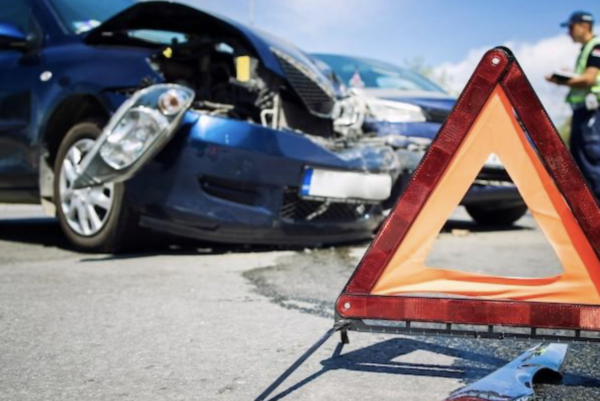
By knowing about such individuals operating your vehicle and not taking any precautions, you are held responsible for any that might happen. This legal principle indicates that you should ensure only responsible people operate your vehicle, as disregarding that will compromise the safety of others and may lead to legal consequences.
Conclusion
It is obvious to blame or place liability on the person physically involved in the accident. But if the car does not belong to the driver, the car owner may be held liable. Ensure you put the above factors into consideration to help you understand how you can be liable as the owner in case of an accident.

Similar Posts
Slot Volatility and Bankroll Planning
A New Zealand guide to slot volatility bankroll planning safer limits RTP awareness and matching games to session budgets. Slot…
Top Practice Management Software for NZ Accounting Firms
Most accounting firms don’t realize they’ve outgrown their systems until something starts slipping. Usually, it’s not a major disaster. It’s…
How Much Does a Heat Pump Cost to Run?
It’s one of the first questions people ask when they’re considering a heat pump: what will it actually add to…
7 Independent Ring Brands in Australia and New Zealand Worth Supporting
Seven NZ and Australian independent brands worth supporting for men’s rings — from Meadowlark’s handcrafted Auckland studio pieces to Etrnl’s…
How Women Leaders Are Reshaping Modern Politics
Women have become key figures in world politics recently. They are changing both the balance of power and how we…
How to Choose a Safe Casino in New Zealand
Picking the right online casino as a Kiwi punter isn’t something you want to rush. There’s a lot of choice…


