

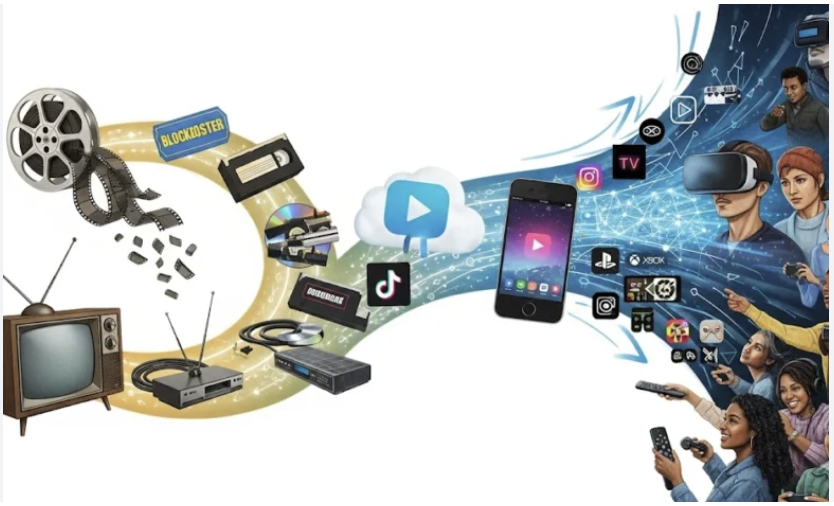
Digital platforms have reshaped how people spend their free time. From streaming services to interactive online experiences, entertainment has become faster, more personalised, and increasingly data-driven. For modern users, the challenge is no longer access, but conscious choice.
Understanding how these platforms influence attention, behaviour, and decision-making is essential for navigating the digital landscape responsibly.
The Rise of Interactive Online Entertainment
Unlike traditional media, modern digital entertainment is interactive by design. Users are no longer passive observers; they actively engage, make choices, and respond to real-time feedback.
Key characteristics of today’s platforms include:
- instant accessibility across devices
- personalised content delivery
- short feedback loops
- variable outcomes that sustain attention
These elements create engaging experiences but also require users to remain vigilant about how much time and focus they invest.
Decision-Making in Digital Environments
Online platforms often operate on systems of probability, choice, and reward. Whether selecting content, participating in interactive features, or exploring new digital services, users constantly make micro-decisions.
Good decision-making in such environments depends on:
- awareness of personal limits
- understanding how systems are structured
- separating entertainment from expectation
This approach helps maintain control rather than reacting impulsively to digital stimuli.
Risk Awareness as a Digital Skill
Risk awareness is no longer limited to finance or business. In digital entertainment, it means recognising variability, setting boundaries, and avoiding emotional decisions driven by short-term outcomes.
Entertainment Platforms and User Responsibility
Some platforms, including Cosmo Casino online, are part of a broader digital entertainment ecosystem where structure, rules, and probability play a central role. When approached with the right mindset, such platforms are best understood as controlled environments for leisure, not guarantees of outcomes.
The key principle remains consistency: entertainment should enhance downtime, not dominate it.
Managing Time and Attention Online
Attention is one of the most valuable digital resources. Platforms compete for it using design, incentives, and engagement loops.
Effective users tend to:
- allocate fixed time windows for online activities
- avoid multitasking across platforms
- disengage when entertainment stops being enjoyable
These habits reduce fatigue and promote healthier digital consumption.
Comparing Digital Entertainment Models
| Model Type | User Control | Engagement Style | Risk Level |
| Streaming platforms | High | Passive consumption | Low |
| Social media | Medium | Reactive interaction | Medium |
| Interactive entertainment | High | Choice-based engagement | Variable |
Understanding these differences helps users select platforms that align with their preferences and tolerance for variability.
Long-Term Perspective on Digital Leisure
Digital entertainment will continue to evolve, but the fundamentals remain the same. Platforms change; human behaviour does not. Sustainable engagement depends on balance, awareness, and intentional use.
Expert Tip
Expert Tip: Treat digital entertainment as scheduled leisure, not background activity — structure increases enjoyment and prevents decision fatigue.
Why Evergreen Thinking Matters Online
Trends come and go, but responsible digital habits endure. By focusing on process rather than outcome, users maintain autonomy in environments designed for constant engagement.
The goal is not avoidance, but informed participation.
FAQ
What defines responsible digital entertainment use?
Clear boundaries, realistic expectations, and intentional time management.
Why do interactive platforms feel more engaging than traditional media?
Because they involve active decision-making and immediate feedback.
Can digital entertainment affect decision-making skills?
Yes. Poor habits may increase impulsivity, while mindful use strengthens self-control.
Is it possible to enjoy online platforms without overuse?
Absolutely. Structure and awareness are key factors.