

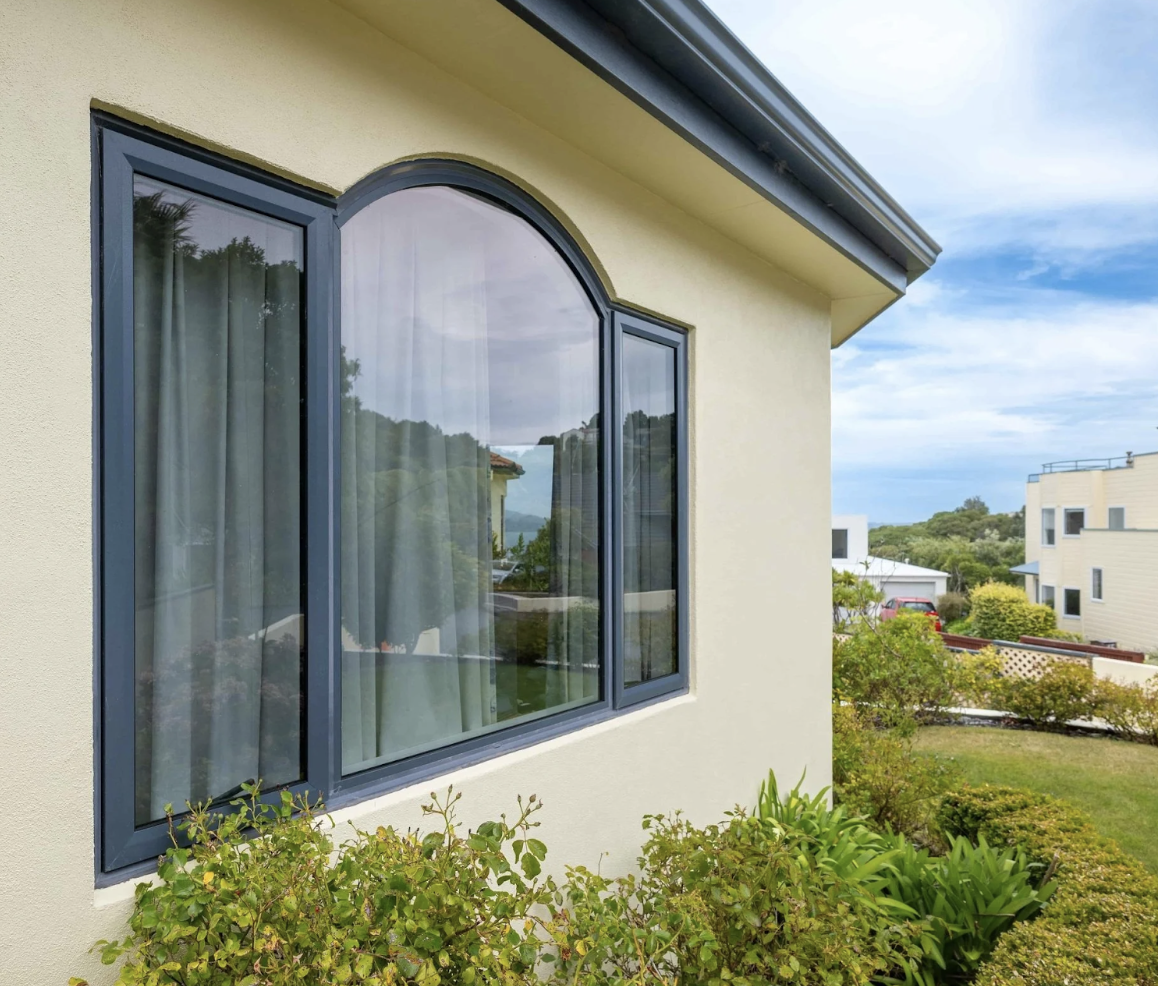
You probably already know that double glazing helps keep your home warm. That’s the pitch most people hear first, and for good reason — nobody wants to live with draughts in a Wellington winter. But if you’ve started pricing it up, you’ve likely hit that moment where the numbers feel higher than expected. So what exactly are you paying for? And is it really just about trapping heat?
The truth is, quality double glazing does a lot more behind the scenes than most homeowners realise. It’s one of the few upgrades that works every single day without you touching a switch. Once installed, it quietly shifts how your home behaves — not just in terms of temperature, but in air quality, noise levels, condensation, and even your monthly power bill. That price tag you’re looking at? It’s not just about materials. It’s also about who made them, how they were built, and whether they’re designed for homes like yours.
Beyond the Glass — What Double Glazing Is Really Doing
Wellington’s weather can be charming in its unpredictability, but that doesn’t make it easy on homes. Constant wind, salt air, and damp mornings put steady pressure on window systems — especially in older villas and 1960s units that were never built with thermal efficiency in mind.
Good double glazing works like a thermal buffer, holding in heat during winter and blocking excess warmth in summer. But its role extends further. It significantly reduces condensation, which helps cut down mould growth and internal humidity. That means better health outcomes, fewer cold-related illnesses, and lower maintenance costs over time. If you live near a busy road or a noisy neighbourhood, you’ll also notice a real drop in outside noise once the install is done. These invisible changes add up to a quieter, drier, healthier home.
Labour, Materials and Lifespan — Where the Money Goes
While it’s tempting to focus on the price per square metre, that number doesn’t tell the full story. Material quality plays a huge part. uPVC frames, for instance, tend to offer better insulation performance than standard aluminium, but not all uPVC is equal. Some imported versions degrade quickly under harsh UV conditions, while others are built for the Southern Hemisphere climate and hold up far longer.
Glass selection also affects cost. Double glazed units may look the same, but the space between panes, the gas used to fill it, and the type of low-E coating all influence long-term performance. These aren’t things you can spot with the eye, but they shape how well the system performs five or ten years down the track.
Labour is another major factor — especially in Wellington, where retrofitting older homes can be complex. Installers need to navigate shifting timber frames, moisture damage, or outdated flashing systems. Skilled labour doesn’t come cheap, but poor installation can sabotage even the best materials. Paying for quality now saves expensive corrections later.
The Difference You Can’t See — Manufacturing and Certification
If you’re comparing quotes and one seems too good to be true, it often is. A lot happens between the manufacturer and your window frame, and not all suppliers hold themselves to the same standards. That’s where local branding and certification start to matter.
With Eversure Double Glazing in Wellington, what you’re buying isn’t just the product itself — it’s a traceable build process designed for New Zealand conditions. That includes certified gas fills, tested thermal ratings, and compliance with NZS 4211 wind zone requirements. In a region with microclimates like Karori versus Seatoun, the way those units perform isn’t just academic. Local manufacturing also allows for faster service, better warranty handling, and product matching if you’re upgrading in stages.
It’s easy to underestimate the role branding plays in an industry that seems so functional. But when a supplier stakes their name on the product, it shifts the risk. You’re not just buying glass and frames — you’re buying the assurance that those components were built to spec, tested for local standards, and backed by someone who operates down the road, not offshore.
Ongoing Gains — What Homeowners Notice Later
One of the most common things people say after a quality double glazing install is that they didn’t realise how much cold they were living with. Suddenly the lounge is warmer in the morning. The bedroom doesn’t smell damp. The heater’s not working as hard. These aren’t aesthetic changes — they’re behavioural ones.
Less energy use means smaller power bills. It also changes how you use the home. People spend more time in rooms that were previously too cold or too hot. They open windows with more confidence, knowing the system will hold the ambient temperature better. And over time, these shifts can extend the life of the home itself, because dry interiors suffer less internal decay. In real terms, it means paint lasts longer, curtains stay mould-free, and flooring holds up better.
There’s also the comfort factor you only notice once it’s missing. The absence of condensation on winter mornings. The silence from outside when traffic picks up. These details shape how a home feels to live in, even if they’re hard to quantify in a product brochure.
Is It Worth It in a Rental? Thinking Long-Term in a Tight Market
For landlords, the decision to upgrade windows is often treated as optional. But that’s changing. With Healthy Homes requirements now enforced, properties that fail to control moisture or retain heat face increased scrutiny. Windows play a huge role in both.
While double glazing isn’t mandatory in rental housing, it increasingly acts as a differentiator. Tenants will pay more for warmer, drier homes — especially in areas with rising fuel costs. They also tend to stay longer, meaning lower turnover and fewer vacancy gaps. For investors, that stability can be just as valuable as the capital gain.
There’s also a reputational aspect. Landlords who invest in quality windows are seen as maintaining the property to a higher standard. In a competitive rental market, that can be the difference between multiple applications and an empty week. The up-front cost may feel steep, but in property, delayed spending often becomes more expensive later.
Conclusion
Wellington homes face pressure from every angle — weather, salt air, seismic movement, and rising energy costs. Double glazing isn’t a shortcut solution. It’s a long-term infrastructure choice that changes the way a home works, often in ways you don’t immediately see. When done right, it pays off slowly and steadily, with each season bringing a reminder of what you’re no longer putting up with.