

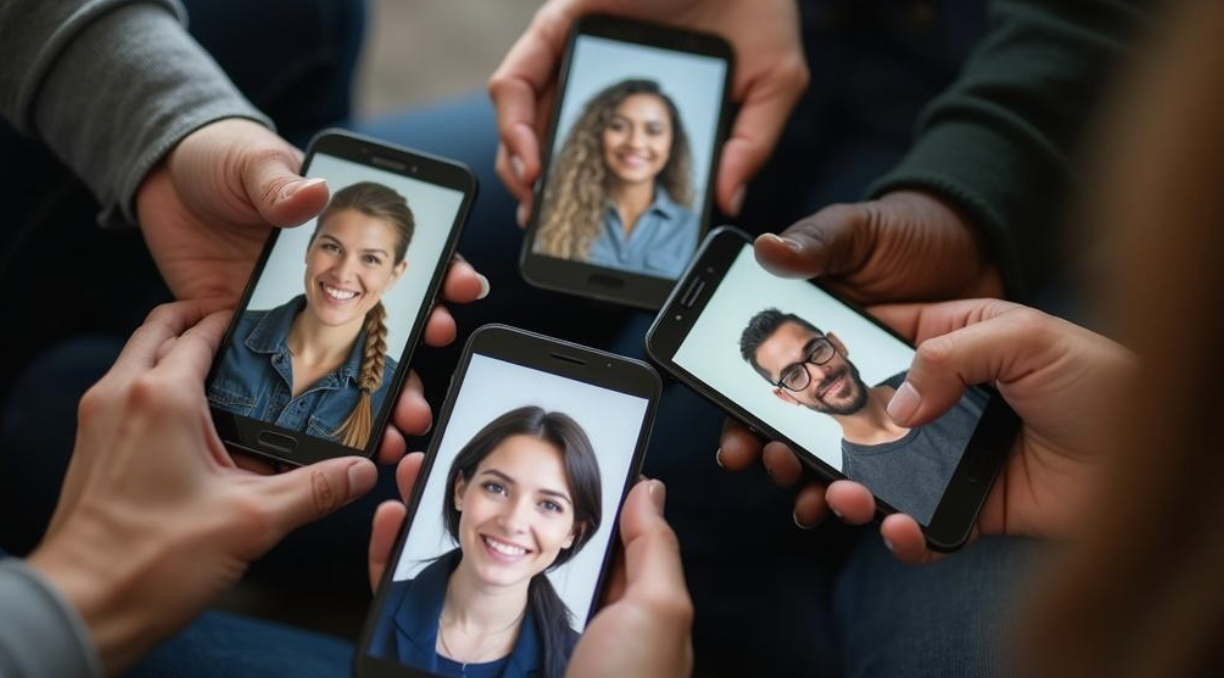
In a job market where 60% of New Zealand recruiters actively use LinkedIn to source candidates, your profile photo has become more than just a pleasant addition, it’s become a gatekeeping mechanism. For decades, the professional headshot has quietly reinforced class divisions in our labour market, creating an invisible barrier that many Kiwis couldn’t afford to cross.
The traditional route to a professional headshot meant shelling out $300-$800 for a studio session. For a young graduate in Auckland struggling with rent, a solo parent in South Auckland looking to re-enter the workforce, or a rural worker seeking better opportunities, this wasn’t just expensive, it was prohibitive. The result? A two-tiered system where those with means could present themselves as polished professionals, while others made do with poorly lit selfies or outdated photos.
The Digital First Impression Economy
We’re living in an era where your digital presence precedes you into every interview room. Research shows that LinkedIn profiles with professional photos receive 21 times more views and are contacted by recruiters 33 times more often. When 88% of job seekers believe a polished digital presence influences hiring decisions, we’re not talking about vanity, we’re talking about access to opportunity.
The irony isn’t lost on anyone paying attention: in a country that prides itself on egalitarianism, we’ve created a system where your ability to project professionalism is directly tied to your disposable income. It’s the kind of structural inequality that doesn’t make headlines but quietly shapes who gets ahead and who gets left behind.
Technology as an Equaliser
Enter artificial intelligence, which is finally disrupting this particular form of gatekeeping. AI-powered business headshots now allow anyone with a smartphone to generate studio-quality professional photos for a fraction of traditional costs, often under $50.
The technology works by analysing uploaded selfies and generating multiple professional-looking headshots with various backgrounds, lighting setups, and styling options. What once required an expensive studio, professional equipment, and a skilled photographer can now be achieved in minutes from your living room.
This isn’t about replacing traditional photography, it’s about expanding access. For the first time, a beneficiary updating their CV to re-enter the workforce, a recent migrant building their New Zealand professional profile, or a worker in a regional centre with limited access to professional services can compete on a more level playing field.
The Authenticity Debate
Of course, new technology brings new concerns. Some career experts worry about AI headshots looking “too polished” or lacking authenticity. There’s legitimate concern about creating unrealistic expectations or misrepresenting yourself. LinkedIn has even reminded users of their right to remove photos that don’t comply with professional standards.
But let’s be clear about what we’re really discussing here. When we fetishise “authenticity” in professional contexts, we often mean that people should show up as they are, unless “as they are” doesn’t fit middle-class professional norms. A Māori worker with a moko, a Pacific Islander with natural hair, or someone who can’t afford professional grooming services has always navigated these unwritten rules about what “professional” looks like.
AI headshots, when used thoughtfully, can actually help workers present themselves in ways that feel authentic to them while meeting conventional professional standards. The key word is access, giving people options they didn’t have before.
What This Means for Kiwi Workers
According to Careers New Zealand, our labour market is evolving rapidly, with digital presence becoming increasingly important across all sectors. For New Zealanders navigating this landscape, here’s what matters:
For Job Seekers: A professional headshot is no longer optional if you’re serious about competitive roles. But it also doesn’t need to be a financial barrier. AI-generated options provide a practical middle ground while you’re building your career.
For Career Changers: If you’re transitioning industries, perhaps from hospo to tech, or from trades to management, your visual presentation sends signals about how you see yourself professionally. An updated, professional photo reinforces your commitment to your new path.
For Regional Workers: Living outside main centres shouldn’t limit your professional opportunities. Remote work is expanding, but it also means your online presence matters more. AI tools mean you’re not disadvantaged by lack of local photography services.
Moving Forward Thoughtfully
The democratisation of professional imaging is largely positive, but it’s worth approaching thoughtfully. The goal isn’t to create a uniform, corporate-approved version of yourself, it’s to remove financial barriers that have nothing to do with your skills, experience, or potential.
As AI tools become more sophisticated, we’ll need to have broader conversations about authenticity, representation, and what “professional” really means in an increasingly diverse workforce. But for now, the fact that cost is no longer a barrier to presenting yourself professionally is a step toward a more equitable job market.
In a country where we claim to value a fair go, technology that levels the playing field deserves our attention. Not because it’s perfect, but because the old system was quietly excluding people who had every right to compete.
The question isn’t whether AI headshots are as good as traditional photography, it’s whether everyone deserves access to the tools that open doors. In 2025, surely we can agree the answer should be yes.