

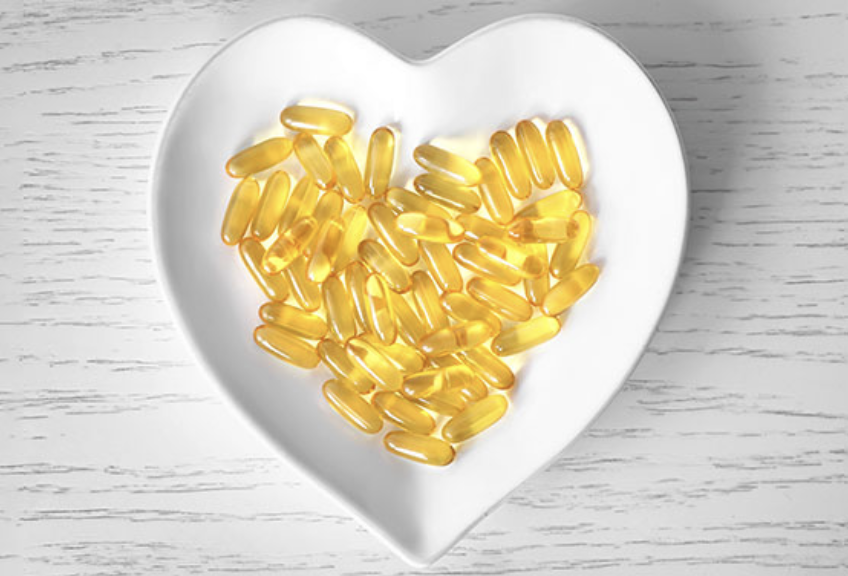
The way people approach their health has changed. Instead of waiting for issues to arise, many are choosing to be proactive by weaving wellness habits into their daily routines. Among the many facets of wellness, heart health consistently stands out as one of the most important. After all, a strong heart does more than support circulation; it fuels energy, stamina, and overall well-being.
This growing awareness has led many people to incorporate heart health supplements into their routines. Once viewed primarily as medical aids for those at risk, these supplements have now become lifestyle essentials embraced by individuals of all ages. Let’s delve deeper into the key reasons why many people are incorporating heart health supplements into their wellness routines.
Rising Awareness of Cardiovascular Health
Cardiovascular disease continues to rank as one of the leading health concerns worldwide, and this has spurred people to become more mindful about how their daily habits affect long-term heart function. Public health campaigns and wearable technology that tracks heart rate have also made it easier than ever for individuals to monitor their cardiovascular well-being. This constant reminder has shifted the conversation from treatment to prevention.
Because of this, supplements that specifically support the heart (such as omega-3 fatty acids for maintaining healthy cholesterol levels, CoQ10 for energy production, magnesium for proper muscle function, and plant sterols for improved lipid balance) are no longer regarded as optional. Instead, they are becoming foundational elements of a proactive lifestyle.
Modern Dietary Gaps and Busy Lifestyles
Despite the rising awareness of heart health, maintaining a perfectly balanced diet is easier said than done. Busy work schedules and the convenience of processed food often mean people aren’t getting the nutrients they need from whole foods alone. It’s not uncommon for them to have insufficient levels of essential vitamins, minerals, and antioxidants that protect the heart.
This is where heart health supplements offer a practical solution. They’re convenient and can deliver highly targeted nutrition in forms that are easy to incorporate into daily life. The best supplement for heart health also goes beyond basic formulations by focusing on premium ingredients that enhance cardiovascular support. For example, vitamin D3 plays a critical role in cardiovascular and immune function, while vitamin K2 helps maintain arterial flexibility and directs calcium to the bones instead of the arteries.
Preventive Healthcare and Longevity Trends
Alongside filling dietary gaps, the demand for heart health supplements has also been fueled by a growing cultural shift toward prevention. Today, many individuals are no longer waiting for health problems to arise before taking action. Instead, they are investing in habits and tools that support longevity and quality of life. This change is particularly visible in the rise of wellness practices such as regular exercise, meditation, and plant-forward eating.
Moreover, the longevity movement has redefined how people think about aging. Rather than simply aiming to extend lifespan, individuals now seek to enjoy those extra years in good health and with vitality. Since the heart is central to every bodily function, maintaining its health has become a top priority.
Fitness, Performance, and Energy Needs
Beyond prevention, heart health supplements are also finding a place among those who pursue active lifestyles. Whether it’s weekend joggers or professional athletes, people increasingly recognize that cardiovascular strength is the foundation of performance. Supplements that support circulation and oxygen delivery are now valued for their ability to enhance endurance and stamina.
Additionally, a well-supported heart promotes faster recovery. This is because healthy circulation ensures that nutrients and oxygen are efficiently delivered to muscles after physical exertion. As a result, heart health supplements are being integrated into sports nutrition and fitness regimens both for their protective benefits and performance-enhancing potential.
Aging Populations and Family Wellness
At the same time, the importance of cardiovascular support grows even more apparent as people age. Older adults are prioritizing supplements that help maintain mobility and energy, since heart function naturally declines over time. For this demographic, supplements provide reassurance that they are actively taking steps to preserve their quality of life.
Interestingly, heart health is also becoming a family-wide commitment. Younger generations, who are often more informed about wellness trends, are encouraging parents and grandparents to adopt supplement routines. In multigenerational households, discussions about wellness are increasingly inclusive, and supplements are framed as shared practices rather than individual necessities. This collective approach has helped normalize supplementation as an everyday routine across different age groups, further solidifying its role as a lifestyle essential.
Influence of the Wellness Culture
In addition to scientific and medical drivers, cultural forces are also playing a role in the rise of supplements. The wellness movement, amplified by fitness communities and health-conscious brands, has reshaped how people view self-care. Today, supplements are part of curated wellness routines that sit alongside skincare and mindfulness practices.
This cultural shift has reframed supplements as aspirational products rather than clinical ones. Particularly, heart health supplements are now marketed as empowering tools that help people feel in control of their well-being.
Heart health supplements have evolved into lifestyle essentials embraced by people across generations who want to feel their best and safeguard their long-term wellness. Of course, it is important to remember that supplements work best when paired with heart-healthy habits such as a balanced diet, regular exercise, adequate sleep, and stress management. When supplements are incorporated into a broader self-care routine, individuals can strengthen the body’s most vital organ and enhance their overall quality of life.