

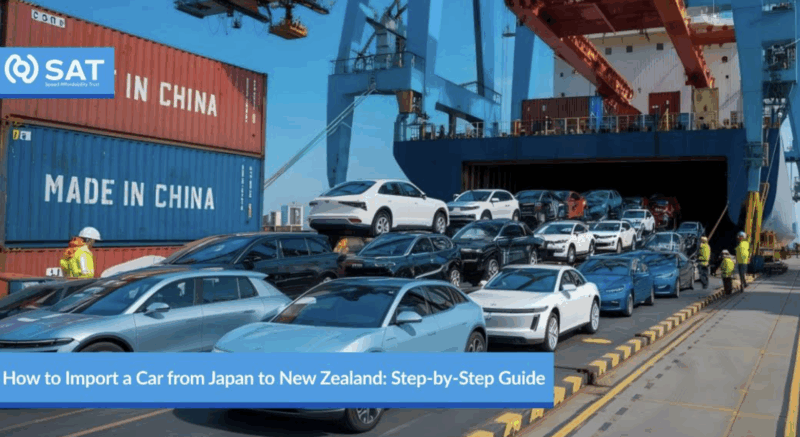
New Zealand offers wonderful views and friendly people, and is teeming with activities for car fans. Japanese vehicles are some of the most desirable imports due to their price and brand name trust. Driving a Japanese import is unforgettable in Auckland and on the picturesque roads of Queenstown. But if one can walk the talk, it must be a different experience to search for a car in Japan personally rather than settling for what New Zealand has to offer. There is a plethora of sleek sedans and rugged SUVs available for shipment to New Zealand. Let’s delve into how you can successfully turn your Japanese car import dreams into a reality while taking advantage of the unmatched benefits that come with choosing Japanese car dealers who specialize in imports.
Why import a car from Japan?
For New Zealanders, acquiring a vehicle from Japan is now a more common and convenient practice. Japanese cars are renowned for their reliability, technological advancements, and fuel efficiency, offering a wide range of comfort and safety features. This wide selection includes sporty cars, sleek and rugged SUVs, and more. Due to Japan’s extensive vehicle maintenance culture, cars from Japan usually have better mileage than locally purchased, used cars.
Another advantage is that importing a vehicle has much lower costs and offers significant value for money. Improved spending comfort is especially favorable to New Zealanders looking to buy cars locally.
7 Steps to Import Japanese Cars to New Zealand
Step 1: Research and Choose a Reliable Importer
- Researching a reputable Japanese car importer is essential, as numerous companies offer varying services. Start with companies that specialize in importing cars and have a good reputation, as indicated by positive reviews.
- Check the reviews for transparency and trust regarding fees and processes. Customer reviews are a crucial factor in assessing dependability. Trustworthy importers often boast professional marketing online, showcasing the variety of services offered, including past projects.
- Identifying their knowledge related to specific models that you wish to import could be very helpful, therefore, their experience should be questioned. This not only helps evaluate their credentials but also fosters dialogue right from the beginning.
- Insights can also be captured from social media. Join forums or groups dedicated to import car from Japan to NZ, where members share their experiences, tips, and advice.
- Ensuring these details helps guarantee you are working with an industry expert who is aware of the complexities involved with cross-border vehicle importation.
Step 2: Understand the Import Regulations of New Zealand
For an easy and hassle-free import of your Japanese vehicle, familiarizing yourself with New Zealand import regulations is crucial, as they govern safety and environmental standards.
- Take the time to understand the Land Transport Act and other relevant regulations. The laws also specify the changes that must be made for the vehicle to be compliant.
- Additionally, ensure that the standards associated with emissions for the particular model and make of the car are met. Japan is known for manufacturing numerous eco-friendly cars that exceed local standards.
- Obtaining a Vehicle Import Certification (VIC) is also very crucial. The vehicle is said to be compliant with the safety requirements of New Zealand after the issuance of this document.
- Lastly, be aware of any potential taxes or fees that may be incurred during the course of the duties. Factors such as age, type, and value will significantly influence the responsibilities. Having this information ensures that you accurately budget as you complete this crucial stage of the car import process from Japan.
Step 3: Find Your Dream Car in Japan
- Finding your dream car in Japan comes with its own set of thrills. First, browse through the numerous online car shops that specialize in importing cars from Japan. From sporty coupes to reliable sedans, you will find a plethora of options on websites like SAT JAPAN.
- Consider attending the auctions too. You can find great used cars in auctions, and the best part is that you get to bid on the vehicles you want.
- Local dealerships should not be neglected either. You can find numerous trustworthy dealers of Japanese cars who will be happy to serve you as their overseas customers.
- While in the purchasing process, be aware of the vehicle’s condition report and history so that you know what you are paying for before making a payment.
- Lastly, keep your importer or dealer informed as you proceed with the steps. Their expertise can provide guidance and address any questions you may have about specific models or features you wish to examine.
Step 4: Calculate the Total Costs and Get a Quote from SAT Japan
- Estimating the total costs for importing a vehicle requires more than just the purchase price from Japan. You need to account for shipping fees, customs duties, and any additional expenses.
- Ensure you obtain a formal quote from SAT Japan. Their pricing is straightforward, so you will not be surprised by any additional costs later. This includes auction and transport costs.
- Also, ensure that you include any necessary compliance modifications for New Zealand regulations. These may differ depending on the age and model of your vehicle.
- Most importantly, ensure that you obtain insurance for your vehicle for the duration of the shipping from Japan to New Zealand. If everything is planned correctly, there will be no additional expenses that disrupt the budget and timeline. Being thorough at this stage will help you set up a more efficient and streamlined import process later on.
Step 5: Arrange for Shipping and Delivery to New Zealand
After acquiring the vehicle, the next step is organizing the shipping of the car to New Zealand. This can be a daunting step for most people.
- To begin, pick a reputable shipping company that specializes in vehicle transport. Check for reviews or recommendations from past customers who have imported cars. A reliable shipping partner will transport your vehicle safely and within the expected timeframe.
- Next, choose between container shipping and roll-on/roll-off (RoRo) options. Container shipping is more costly, but offers greater protection. RoRo is typically less expensive, but your vehicle will be more susceptible to damage during transport.
- Confirm that all required documentation is ready for both the shipper and SAT Japan before the shipping date. Proper documentation will streamline customs clearance when your vehicle is in New Zealand’s ports.
- While in this phase of the process, maintain consistent communication with the transporter. Being kept in the loop alleviates a range of concerns related to delivery deadlines or unexpected delays.
Step 6: Customs Clearance and Compliance Checks
- Although it may seem complicated, customs clearance is a mandatory phase for importing Japanese cars. Your vehicle must be customs cleared upon arrival in New Zealand for you to obtain the keys.
- Gather all the necessary documents, including the purchase invoice and the shipping documents. Customs will cross-check your documents against New Zealand regulations to ensure compliance from both parties.
- The next step is compliance checks. The vehicle must be checked for safety and emissions compliance with the New Zealand Transport Agency (NZTA) requirements. This may include a compliance inspection.
- Be ready for some changes if needed. Modifications, such as changing the headlights, may be required for compliance.
- Timely communication with relevant authorities streamlines and expedites the process. Adhering to the requirements helps cut down delays and additional costs during your import journey.
Step 7: Registering and Insuring Your Imported Car in New Zealand
- In this step, you will learn about Registration and Insurance after the vehicle is in New Zealand. Registering is the next step after permitting the arrival of a car. This action will allow the individual to operate the motor vehicle legally on the roads. For this process, an individual must visit the nearest NZ Transport Agency (NZTA) office, armed with the relevant documents, including compliance documents, the application form, and supporting documents.
- Insurance is equally crucial. Driving without insurance can result in fines or other severe penalties. Look for policies that cater to vehicles of foreign origin. Such insurers do exist. They cater specifically to this type of car.
- Bringing comprehensive insurance is essential when traveling on Kiwa roads, as it protects both you and gives you peace of mind. Preparing vehicle specifications and value will be key to achieving greater quotes.
Why Choose SAT Japan for Your Next Car Import?
SAT Japan is recognized as a reliable exporter of high-quality Japanese import cars to New Zealand and other countries. SAT JAPAN provides services such as:
- Thousands of vehicles are available from Japanese auctions.
- Thorough vehicle inspection and condition reports
- Compliance and registration assistance in New Zealand
- Competitive pricing as compared to many cars available in New Zealand
- Professional handling of paperwork and shipping.
SAT JAPAN provides a stress-free experience for buyers looking for a daily commuter, luxury sedans, or rare models.
Final Thought
For New Zealanders, accessing cars from Japan has been made easier because of the numerous advantages that Japan’s supply of vehicles brings in terms of convenience, affordability, and an extensive selection compared to the local market. Japanese vehicles are renowned for their dependability, features, and relatively low mileage. This makes them a superb option for someone seeking to invest for the long haul. Following the proper strategies, such as obtaining a Japanese car dealer, learning the rules, estimating the comprehensive costs, arranging for shipping, and compliance inspections, ensures a hassle-free purchase. Collaborating with a dedicated intermediary, such as SAT Japan, provides full access, complete buyer-seller transparency, professional advice, and thousands of cars. Thus, the entire process from purchase to registration can be completed in a matter of days. With SAT Japan, buyers can also access SUVs, luxury sedans, economical hatchbacks, and other vehicles with unmatched value and performance.