

You’ve probably felt it in your wallet by now – that constant squeeze where everything costs more but your paycheck stays the same. New Zealand’s cost of living crisis isn’t some abstract economic concept anymore, it’s the reality hitting your kitchen table every week. Ве Many don’t live like Lucky Dreams jackpot winners, and the numbers tell a story that’s both predictable and heartbreaking: we’re not all paying the same price for this economic mess.
The truth is, while everyone’s feeling the pinch, some New Zealanders are drowning while others are just getting their feet wet. It’s not fair, but it’s the reality we’re dealing with in 2025. The gap between those who can absorb these price increases and those who can’t is widening faster than house prices in Auckland during the boom years.
Housing: The Anchor Dragging Everyone Down
You’ve probably felt it in your wallet by now – that constant squeeze where everything costs more but your paycheck stays the same. New Zealand’s cost of living crisis isn’t some abstract economic concept; for many, it’s a daily reality. While everyone is feeling the pinch, the burden is not shared equally.
The rental market has gotten seriously tough, with the average weekly rent across New Zealand hitting $575 ,a 2.7% increase for the year to March 2025. Auckland renters are looking at $633 a week on average, up 1.4%. While these increases might seem modest compared to some international markets, they’re still putting the squeeze on families who were already stretching every dollar.
What’s particularly brutal is watching young adults – your kids, your siblings, your friends – realizing that homeownership isn’t just difficult anymore, but it’s becoming a distant dream. The deposit requirements alone are enough to make most young people laugh bitterly at the suggestion they should “just buy instead of rent.”
Here’s what really gets under your skin, though: this isn’t happening in a vacuum. While families are choosing between rent and groceries, the property market continues its relentless climb. The system’s working perfectly – just not for the people who actually need somewhere to live.
Food Prices: When Butter Becomes a Luxury
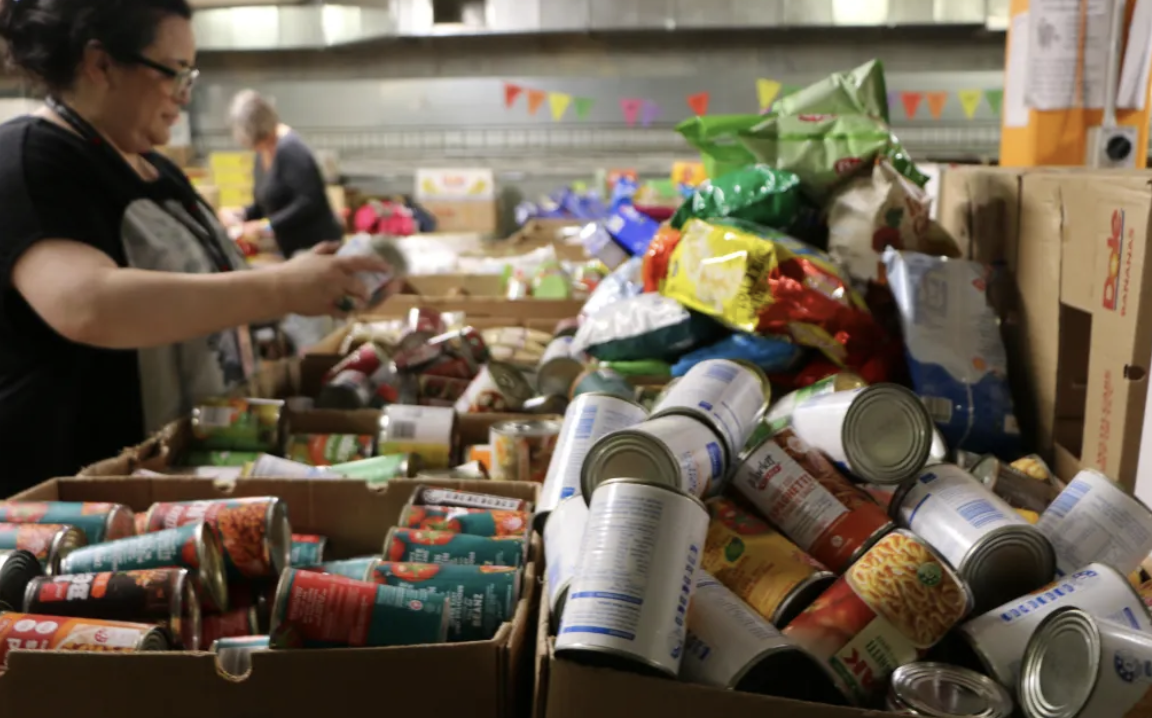
Now let’s talk about something even more basic – food. When butter prices jump 65% in a single year, you know something’s seriously wrong with the system. Food prices overall hit 4.4% annual inflation by May 2025, the highest it’s been since December 2023. Grocery food prices climbed 5.2%, while meat, poultry, and fish shot up 5.4%.
What’s particularly galling is how this crisis is hitting families with kids the hardest. The Salvation Army reports that one in four of all children, and one in two Pacific children, live in households where food runs out “sometimes” or “often.” When half the kids in Pacific communities don’t know where their next meal is coming from, that’s not a cost of living adjustment – that’s a humanitarian crisis happening right here at home.
The Faces Behind the Numbers
The data shows exactly who’s carrying the heaviest burden, and it’s exactly who you’d expect if you’ve been paying attention. Māori and Pasifika communities are getting hammered, with material hardship rates for their children sitting at 23.9% and 28.7% respectively. These aren’t just numbers on a government report – they represent kids going to school hungry and families making impossible choices every single day.
The government’s throwing around some solutions, but honestly, most feel like putting a Band-Aid on a severed artery. While officials talk about “fiscal discipline” and “productivity growth,” real people are selling personal belongings just to make rent.