

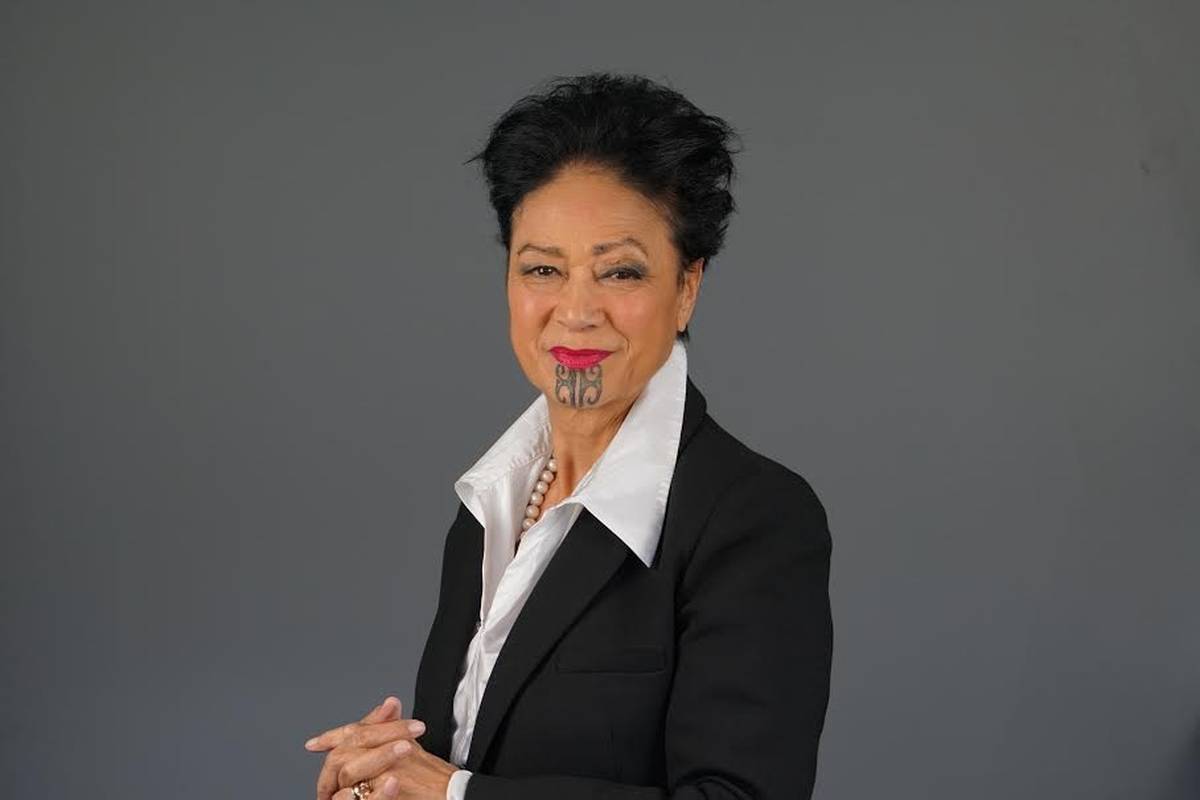

Since the announcement in December by the Waitangi Tribunal granting an urgent hearing into banning prisoners right to vote, Dr Rawiri Waretini-Karena and Donna Awatere Huata did not hesitate in joining the urgent inquiry last month.
After being released from a life-term sentence, Dr Rawiri Waretini-Karena has dedicated most of his life’s work as an advocate for alternatives to violence programmes for Māori in prison, reintergration programmes upon release and since completed his PHD on transforming Māori experiences of historical intergenerational trauma based on his own childhood and experiences.
Mrs Awatere Huata is currently the Māori Climate Commissioner and was also a claimant in the Department of Corrections Inquiry in 2015, focusing her claim around the inhumane treatment of Māori women while imprisoned and the racist attitudes of the department toward Māori.
“50.7% of the prison population are Māori, that’s a huge population of Māori voters effectively disenfranchised from participating in political descion making processes that affect their lives. It’s a double whammy punishment for Māori. It’s a racist peice of legislation introduced by National, I believe to disenfranchise Māori from participating in the elections given the political power in the Māori seats were starting to increase with the Māori party and then the rise of the Mana Party” says Awatere Huata.
Mr Waretini-Karena says “Being incarcerated is the punishment by law. However disenfranchising prisoners from exercising their right to vote in general elections is breach of human rights. For us Māori, this ban fails to protect our right to exercise our tino rangatiratanga and protect our voting rights by precluding our participation in the electoral system.”
“I am really pleased the Tribunal has granted an urgent hearing this time given it is the third application. The first in 2014 and then in 2016 were both declined. It’s great to that see Arthur Taylor took this case all the way to the Supreme Court last year. Now is the time for Māori to take charge of our political future before the next elections. Voting is a right not a privilege” says Mrs Awatere Huata.
“I am a litle disappointed that Minister Little does not see this issue as a priority for this government given that 50.7% of the prison population is Māori. If Labour is serious about the Māori vote they would support the remedies we are seeking to the Electoral Act before the next elections” states Mr Waretini-Karena.
At the Supreme Court hearing in Wellington last December, Chief Justice Elias said the ambiguity of the Act was “very surprising”.
“It’s shockingly casual legislation for something as important as this,” she said.
Mr Waretini-Karena is a co-claimant along with Donna Awatere Huata on Wai 2867. Their claim concerns the prejudicial effects of s 80(1)(d) of the Electoral Act 1993, namely the disenfranchisement of Māori prisoners. Their claim alleges that the Crown has breached the principles of the Treaty of Waitangi by allowing the disproportionately large Māori prison population to be disenfranchised and by failing to protect Māori from the acts of discrimination and racism, the rights of Māori prisoners to vote, the taonga of voting rights and the effective exercise of the Māori Electoral Option.
yes a racist piece of legislation from an ex- cop in the national party a one hit wonder from Lower hutt who should have known better
what is his name Paul Quinn
When you reach 18 you make a social contract to support the country and in return you earn the right to vote. If you break that contract by committing an offence serious enough to be sent to prison I believe you should lose the right to vote for the sake period
Comments are closed.